Aquarium cycling: microbes, ammonia, and water tests
Cycling is not a race to pour in more ammonia. You are helping a living filter develop, then checking whether it can handle waste. A test kit tells you more about that job than a list of bacterial names on a bottle.
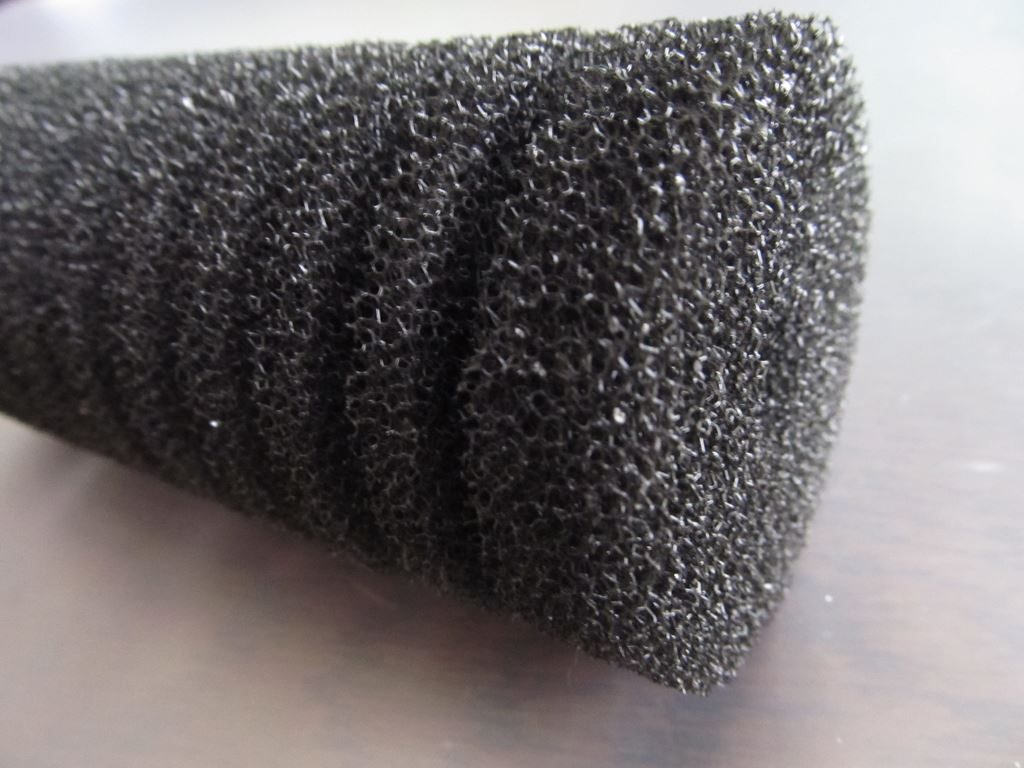
Follow the waste through the filter
Fish release ammonia. In a working biological filter, microbes turn it into nitrite, then nitrate. These reactions need oxygen and use up some of the water’s buffering capacity, the reserve that helps keep pH steady.1
The cleanup crew is more varied than it sounds
You may have heard only two names: Nitrosomonas and Nitrobacter. Actual aquarium filters can hold a different mix. A 2024 study by Michelle M McKnight and Josh D Neufeld detected comammox Nitrospira in all 38 freshwater biofilters sampled. ‘Comammox’ means complete ammonia oxidation: these microbes can carry out both steps to nitrate. Their ammonia-oxidation gene markers were the most abundant of the groups tested in 30 filters.2
Other important workers include archaea: tiny organisms distinct from bacteria. You do not need to identify them at home. The useful question is whether your tank processes waste reliably.
Choose a clear dosing plan
That study compared existing filters. It did not demonstrate that crossing 5 ppm ammonia always grows the ‘wrong’ community, or that dosing 1 to 2 ppm guarantees the ‘right’ one. Water conditions can influence which microbes thrive, but that is not the same as a universal dosing recipe.2
For a fishless cycle, choose a clearly specified aquarium cycling product and follow its own instructions. Do not combine dosing recipes from several products. Write down what you added and what the tests showed before adding more. Never add cycling ammonia to a tank containing fish or other animals.
Read the test, not the calendar
Ammonia cannot be judged by how clear the water looks. Test it, along with nitrite, and keep a short record. Many kits report total ammonia; pH and temperature affect how much is present as the more toxic NH₃ form.1
Check the units on your kit and product: a number without its measurement basis is not enough to calculate a dose. If a result is above the test’s range, follow the kit’s instructions rather than guessing a darker color.
Use the cycling guide for the setup routine. Do not treat the arrival of a particular date, or nitrate on its own, as permission to add a full stock of fish.
Nitrate still needs an exit
Water changes remove nitrate from a closed aquarium; plant growth can also take up nitrogen.1 Do not assume that a deep bed or a bag of porous media automatically replaces water changes. Measure the water you actually have and plan maintenance around your animals and plants.
A few common questions
Do I need to know which bacteria are in my filter?
No. For everyday care, follow ammonia and nitrite readings and watch your animals. Naming a microbe does not measure how much waste your filter can process.
Sources
- UF/IFAS , Ammonia in Aquatic Systems. Explains ammonia testing, nitrification, oxygen, alkalinity, and nitrate removal.
- McKnight and Neufeld (2024) , Comammox Nitrospira among dominant ammonia oxidizers within aquarium biofilter microbial communities. DOI: 10.1128/aem.00104-24. The freshwater sample comprised 38 biofilters; dominance refers to measured gene markers, not a direct waste-processing rate.